Team
Monica Dus, Ph.D.
Associate Professor with Tenure and Head of the Laboratory of Molecular Nutrition

MONICA DUS is a tenured associate professor in the Department of Molecular, Cellular, and Developmental Biology at the University of Michigan. She is the Director of the National Lab Office at the Office of the Vice President for Research. She is a member of the Michigan Neuroscience Institute and the Michigan Obesity and Nutrition Research Center, as well as an affiliate of the Science, Technology, and Public Policy Program at the Ford School of Public Policy. Dus was named a 2023 Guggenheim Fellow, a 2023–2024 White House Fellow, and a 2024–2026 member of the National Academies of Sciences, Engineering, and Medicine New Voices program.
At U-M, Dus leads a multidisciplinary, NIH- and NSF-funded laboratory investigating the interplay between food, genes, and physiology. She also teaches Molecular Genetics, Neuroscience, and Science Communication to over 500 undergraduates annually. Beyond the lab and classroom, she engages the public through writing; community events on personalized nutrition, genetics, and neuroscience; and podcasts exploring the intersections of science and society.
Dus is deeply invested in the role of science and technology in shaping national power, security, and competitiveness. From 2023 to 2024, she served as Special Assistant for Science, Education, and Force Resiliency (GS-14) to the 78th Secretary of the Navy. In this role, she contributed to initiatives such as the Michigan Maritime Initiative, the Department of the Navy Science and Technology Strategy and Board, and the Naval Education Strategy. She also serves on the American Association for the Advancement of Science’s Vision for American Science & Technology task force, working to strengthen the U.S. science and technology enterprise through cross-sector collaboration and strategic foresight.
Her scientific, communication, and service work has been recognized with numerous honors, including the Navy Superior Civilian Service Award, the NIH New Innovator Award, the NSF CAREER Award, the Sloan Research Fellowship, the Rita Allen Scholar Award, the Klingenstein-Simons Fellowship in Neuroscience, the Ajinomoto Young Investigator Award for Gustation Research, the Society for Neurogenetics and Behavior Early Career Award, and the Brain & Behavior Research Foundation Young Investigator Award. Dus’s research has been featured in over 80 academic talks across 12 countries and highlighted in major media outlets, including NPR, PBS, Bloomberg, Scientific American, Forbes, and Women’s Health.
Dus earned her Ph.D. in Molecular Biology from the Cold Spring Harbor Laboratory School of Biological Sciences, where she studied RNA-based gene regulation, followed by a postdoctoral fellowship in neurobiology at the Skirball Institute of Biomolecular Medicine at NYU, investigating nutrient sensing mechanisms.
Our values
We are committed to fostering a supportive learning environment and building meaningful relationships grounded in shared scientific goals and open communication. We envision the lab as a cohesive team where the group’s collective efforts elevate each individual’s progress. As the team leader, the PI will guide mentees to think creatively and rigorously, support and inspire them throughout their journey, and facilitate their transitions to the next stages of their careers.
Prospective graduate students can rotate in the lab after admission to either the Department of Molecular, Cell, and Developmental Biology Graduate Program, the Program in Biomedical Sciences, the Neuroscience Graduate Program, or the Cell Molecular Biology Program. If you are an international student, the MCDB program has more available positions.
Postdocs inquiries: Email a CV and a cover letter summarizing your graduate work and future interests, especially those related to current or potential projects in the lab. Please include the names of three references.
Undergraduates: Email Dr. Dus your resume, class list, and schedule.
Current Lab Members
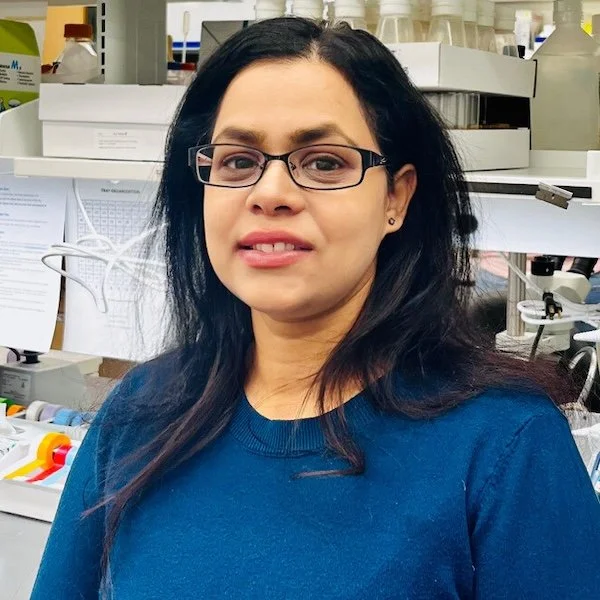
Manaswini Sarangi, Ph.D.
I am examining how parental high-sugar consumption impacts offspring development. The primary question that I am working on is whether diet-induced metabolic changes in parents shifts key metabolic pathways and gene expression during early development of offspring. I hold a Ph.D. in Evolutionary and Organismal Biology from JNCASR, India. My long-term research interests are in finding mechanisms behind neurodevelopmental changes on nutritionally challenged food environments. Outside of research, I serve as an editorial assistant to the journal Developmental Biology, and I am busy parenting!

Hayeon Sung, Ph.D.
I earned a Ph.D. in Neuroscience and a B.A. in Biological Sciences from Sungkyunkwan University. As a postdoctoral researcher since 2019, my research focuses on understanding how sensory systems adapt to environmental changes by exploring the molecular and cellular mechanisms underlying taste plasticity. Outside of research, I enjoy movies and travel.
TJ Waller, Ph.D.
I did my Ph.D., M.S., and B.S. at the University of Michigan and currently study metabolism of the neuromuscular system and related myopathies. I’m interested in how communication of science changes its impact and how academic cultures shape science and scientists.
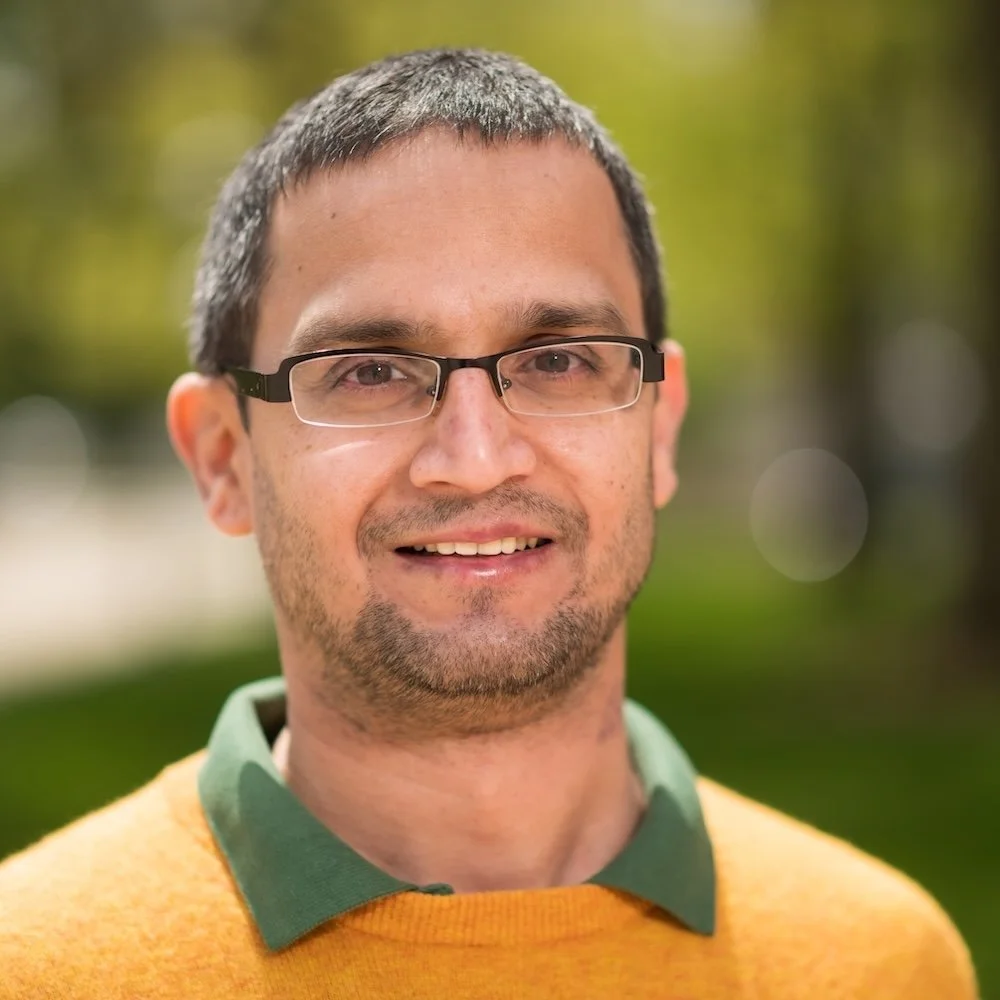
Koustubh Vaze, Ph.D.
I am investigating how metabolism modulates Drosophila behavior and physiology, with a particular focus on the role of ketone metabolism in brain and kidney health. Prior to joining the Dus lab, I studied circadian and seasonal clocks in Drosophila species, gut-brain communication in the roundworm C. elegans, and cognitive abilities of birds.
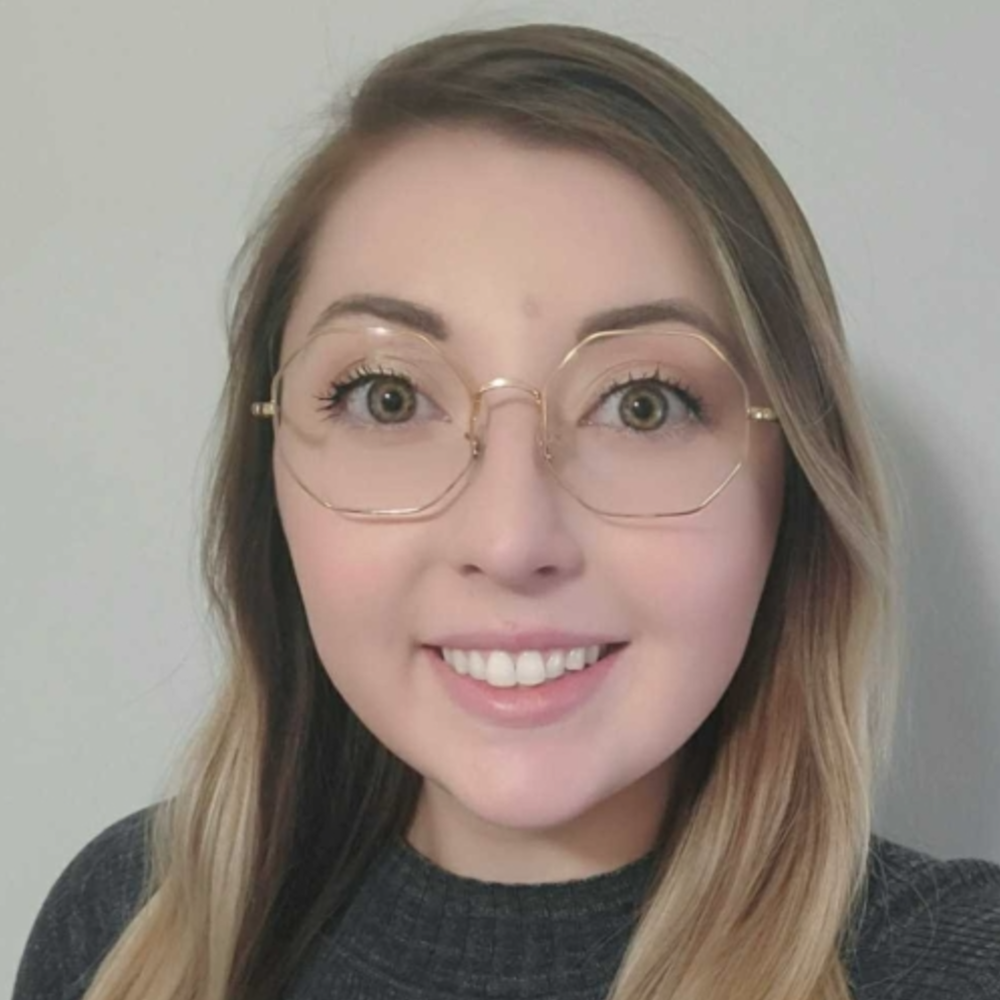
Maggie McGlothlin, M.S.
I earned my Master’s in Bioinformatics from the University of Michigan, where I developed strong expertise in statistical modeling and computational biology. My research centers on applying quantitative and computational approaches to high-dimensional omics data, with a particular interest in nutrition, metabolism, and the molecular mechanisms that shape metabolic health. I am motivated by translating complex biological data into rigorous, statistically grounded insights that deepen our understanding of metabolic systems. Outside of work, I enjoy hiking and spending time with loved ones.
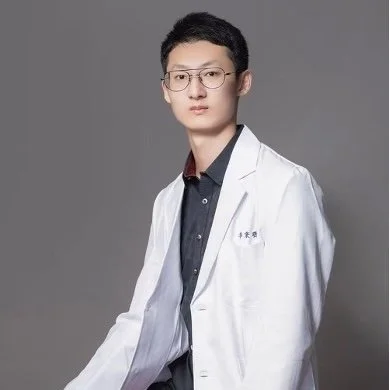
Bingcong Li, M.S.
I earned my M.S. in Nutritional Sciences from the University of Michigan and my B.S. in Nutrition and Health Sciences from Taipei Medical University. My research focuses on molecular nutrition and metabolic regulation, particularly manganese homeostasis in Alzheimer’s disease and nutrient control of neuroenergetics using Drosophila models. Outside of research, I enjoy exploring local food cultures while traveling.
Undergraduates
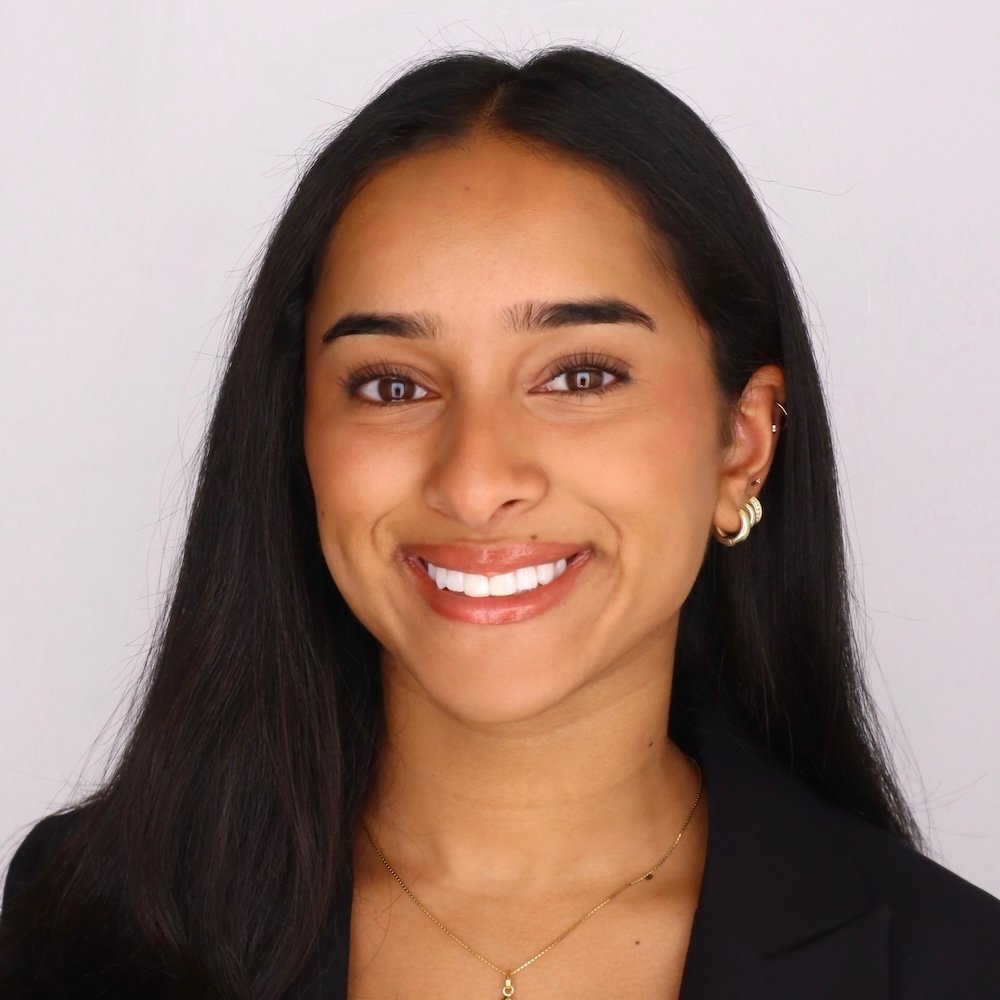
Nishka Sawkar
I’m currently an undergraduate at the University of Michigan majoring in Molecular, Cellular, and Developmental Biology. In my current research I’ve been focusing on using the UAS-RNAi gene knockdown system in Drosophila to see how reducing specific genes affects ketogenesis, as well as studying ketogenesis pathways in mutant flies to better understand their metabolic and physiological impacts. In the future I plan to pursue a career in the dental field. Outside the lab, I love trying new foods, hanging out with my friends, and listening to music!
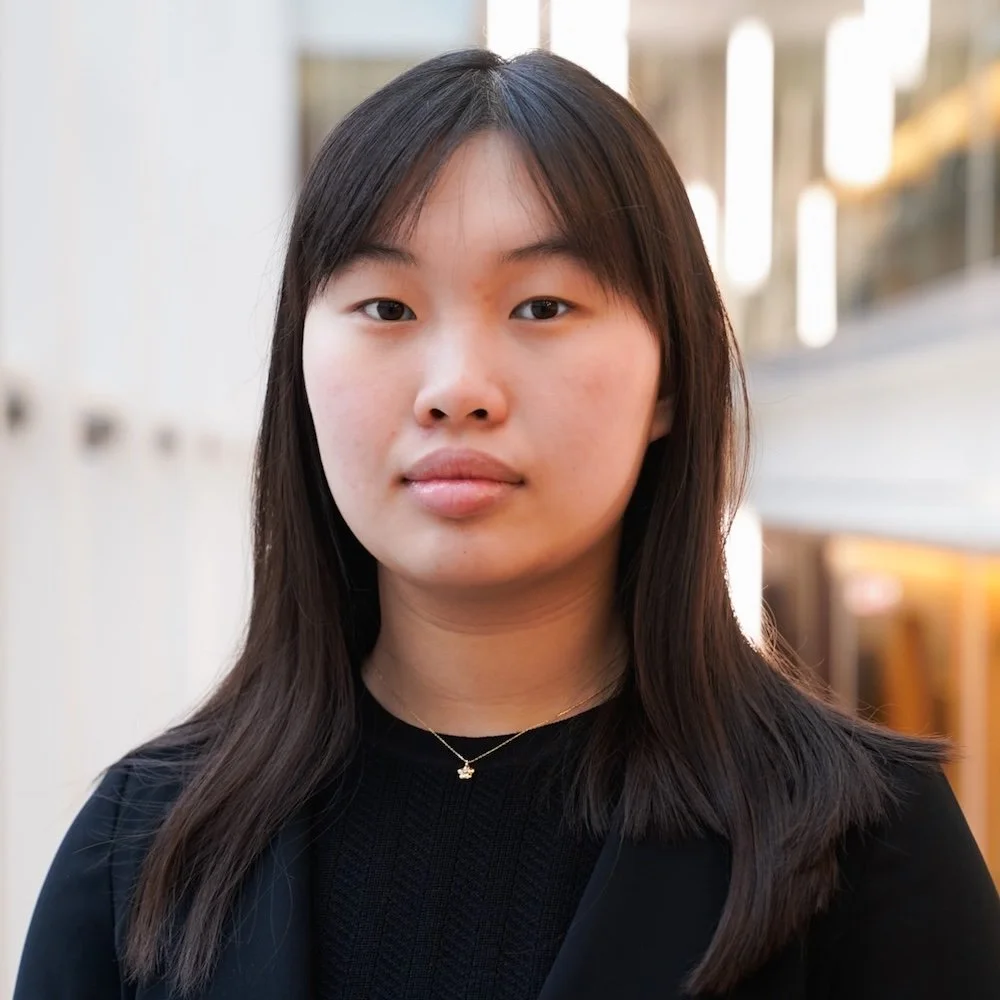
Angel Weng
I am currently an undergraduate at the University of Michigan, majoring in Molecular, Cellular, and Developmental Biology with minors in Medical Anthropology and Statistics. My current work in the Dus Lab involves helping Dr. Sarangi to investigate the impacts of high-sugar diets on the neurodevelopment of Drosophila larvae. Upon finishing my undergraduate work, I plan to pursue an MD-PhD degree while continuing my interest in global health equity. Outside of the lab, I enjoy hiking, designing, and trying different cuisines.